Advanced Regenerative Medicine & Laser Therapy

Heal the Source, Don’t Just Mask the Pain.

For years, standard treatments for chronic foot and ankle pain have focused on masking symptoms with heavy medications or resorting to invasive surgeries. Advanced Regenerative Medicine changes that.
Instead of simply managing your pain, regenerative therapies utilize specialized biologic tissues to help your body repair and restore damaged nerves, ligaments, and tendons naturally.
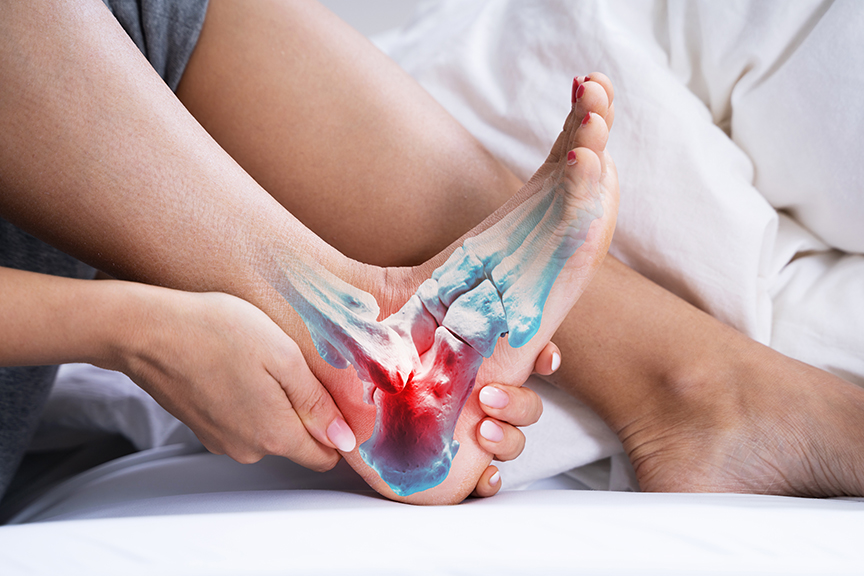
The Science: What is Biologic Tissue Therapy?

 When your tissue sustains an injury or suffers from chronic inflammation, your body’s natural healing signals often become weak or disrupted. To restart this process, we utilize an advanced biologic tissue derived from donated human umbilical cords (safely obtained from healthy births and processed in specialized, highly regulated laboratories).

While this treatment does not contain living stem cells, it is densely packed with powerful biological components, including:

  • Growth Factors & Cytokines: To signal and direct the healing process.
  • Anti-Inflammatory Proteins: To rapidly reduce chronic swelling.
  • Extracellular Matrix Proteins: To provide the structural scaffolding needed for tissue repair.

How It Works at the Cellular Level

When we introduce these biologic signaling molecules into an injured area, they reduce localized inflammation, stimulate your local repair cells (fibroblasts), and support the production of new collagen, helping your damaged tissue remodel and recover effectively.

Peripheral Neuropathy & Nerve Pain

“Advanced biologic therapy designed to support nerve healing.”

Peripheral nerves often become irritated or damaged due to diabetes, compression, or chronic inflammation. Regenerative treatments reduce the inflammatory chemicals surrounding these delicate nerves, improving the microenvironment to help patients experience significant improvements in burning pain, numbness, tingling, and hypersensitivity.

Peripheral Neuropathy FAQ:

Nerve pain can be caused by several factors, including diabetes (which damages tiny blood vessels supplying the nerves), physical compression or entrapment of the nerve, chronic systemic inflammation, or a direct injury to the foot or ankle.

Diagnosis typically involves a comprehensive physical examination of the foot and ankle by a healthcare provider. Dr. Buksh will often utilize specialized vibration tests, sensory evaluations, and a review of your medical history to pinpoint the extent of the nerve damage.

Dr. Buksh will evaluate your specific condition and treat it accordingly. While some cases require medication or advanced laser therapy, we proudly offer biologic regenerative treatments designed to support the nerve’s natural microenvironment. While an in-office injection procedure may sound painful, Dr. Buksh has performed thousands of foot and ankle procedures over his 26 years in practice. His methods are generally very effective, utilizing ultrasound guidance and local anesthesia to ensure minimal pain. Recovery is quick, and clear instructions are provided for your aftercare.

Consult a healthcare provider if home remedies do not improve your symptoms or if you experience severe burning, tingling, sudden numbness, or a complete loss of sensation. People with diabetes or circulatory problems should seek immediate medical attention if they develop any foot pain or numbness due to the significantly higher risk of severe complications.

Plantar Fasciitis (Chronic Heel Pain)

“Helping your body repair chronic heel pain.”

Long-standing Plantar Fasciitis is rarely just “inflammation”—it usually involves the actual degeneration and micro-tearing of the fascia ligament. Regenerative therapy aims to stimulate new collagen formation and improve tissue strength, giving your body the tools it needs to repair the degenerated fascia when traditional stretching and orthotics have failed.

Plantar Fasciitis FAQ:

Plantar fasciitis is caused by excessive strain or tiny tears in the ligament supporting your foot’s arch. This can result from improper footwear, flat feet or high arches, sudden increases in physical activity, or working jobs that require standing on hard concrete surfaces for long hours.

Diagnosis involves a simple physical examination of the foot by your healthcare provider, checking for pinpoint tenderness at the bottom of the heel. Imaging such as X-rays or ultrasound may be used to rule out stress fractures or identify heel spurs.

Dr. Buksh will evaluate and treat it accordingly. While conservative options like stretching and orthotics are standard, chronic cases may require advanced biologic tissue therapy to stimulate tissue repair. While an in-office procedure may sound painful, Dr. Buksh has performed thousands of procedures over his 26 years in practice. His regenerative methods are generally very effective and performed with minimal pain using local anesthesia. Recovery from the injection is immediate, and instructions are provided for aftercare.

Consult a healthcare provider if rest and ice do not improve your symptoms after a few weeks, or if you experience severe pain with your first steps in the morning, swelling, or an inability to bear weight. People with diabetes or circulatory problems should seek immediate medical attention for any heel pain to rule out dangerous pressure ulcers.

Achilles Tendonitis

“Stimulating tendon healing without surgery.”

The Achilles tendon has a notoriously limited blood supply, which drastically slows down natural healing. Instead of relying on surgical repair, biologic treatments stimulate your local tendon repair cells and increase collagen organization, helping athletes and active patients avoid invasive procedures and long downtimes.

Achilles Tendonitis FAQ:

This condition is typically caused by repetitive stress or sudden increases in activity (like running or jumping sports). Tight calf muscles, improper athletic footwear, and training on uneven or hard surfaces can severely strain the tendon.

Diagnosis typically involves a physical examination by a healthcare provider to check for swelling, warmth, and a thickening of the tendon cord. Ultrasound imaging is often used to assess the severity of the micro-tears.

Dr. Buksh will evaluate your tendon and treat it accordingly. If rest and physical therapy fail, we offer biologic regenerative therapy to increase collagen organization and support natural healing. Dr. Buksh has performed thousands of procedures over his 26 years in practice. His methods are generally very effective and are performed in-office with minimal pain using local anesthesia. Recovery from the procedure is immediate, and specific instructions are provided for your rehabilitation aftercare.

Consult a healthcare provider immediately if you hear a “pop” or “snap” in the back of your heel, or if you experience severe pain, swelling, or an inability to push off your toes when walking. People with diabetes or circulatory problems should seek immediate medical attention for any tendon pain to prevent further tissue degeneration.

Morton’s Neuromas

“Supporting nerve health and reducing irritation.”

A neuroma involves deeply irritated and swollen nerve tissue trapped between your toes, often feeling like you are walking on a hot pebble. Biologic therapy helps by calming the localized nerve inflammation and improving the health of the surrounding tissue environment, effectively reducing the nerve irritation at its source.

Morton’s Neuromas FAQ:

Neuromas are often caused by wearing tight, narrow, or high-heeled shoes that crowd the toes and compress the metatarsal bones. High-impact sports, foot deformities like bunions, or an abnormal gait can also contribute to nerve irritation.

Diagnosis typically involves a physical examination by a healthcare provider to check for swelling, warmth, and a thickening of the tendon cord. Ultrasound imaging is often used to assess the severity of the micro-tears.

Dr. Buksh will evaluate your tendon and treat it accordingly. If rest and physical therapy fail, we offer biologic regenerative therapy to increase collagen organization and support natural healing. Dr. Buksh has performed thousands of procedures over his 26 years in practice. His methods are generally very effective and are performed in-office with minimal pain using local anesthesia. Recovery from the procedure is immediate, and specific instructions are provided for your rehabilitation aftercare.

Consult a healthcare provider immediately if you hear a “pop” or “snap” in the back of your heel, or if you experience severe pain, swelling, or an inability to push off your toes when walking. People with diabetes or circulatory problems should seek immediate medical attention for any tendon pain to prevent further tissue degeneration.

Advanced Laser Therapy

“Non-invasive light energy to accelerate your recovery.”

For patients seeking a completely drug-free and needle-free solution, we offer Advanced Laser Therapy. This cutting-edge, non-invasive treatment uses specific wavelengths of light energy to penetrate deep into damaged tissue. It acts like photosynthesis for your cells, stimulating local metabolism, reducing chronic inflammation, and accelerating the healing process for conditions ranging from neuropathy to sports injuries.

Advanced Laser Therapy FAQ:

Laser therapy is highly effective for a wide range of inflammatory and pain-related conditions, including plantar fasciitis, Achilles tendonitis, peripheral neuropathy, arthritis joint pain, and post-surgical recovery.

Diagnosis and evaluation involve a simple physical examination and a review of your medical history by a healthcare provider. Dr. Buksh will assess your specific pain points to determine if light energy therapy is the optimal path for your recovery.

Dr. Buksh will evaluate your injury and treat it accordingly using a customized laser protocol. While the idea of a medical laser may sound intimidating, Dr. Buksh brings 26 years of practice experience to every treatment plan. His laser methods are completely non-invasive, drug-free, and involve absolutely zero pain: most patients simply feel a soothing, warm sensation. Recovery is fast, with little to no downtime, and instructions are provided for your ongoing care.

Consult a healthcare provider if you have chronic pain that has not responded to traditional rest, ice, or medication. People with diabetes or circulatory problems should seek immediate medical attention for any foot issues; laser therapy is often an excellent, safe option for these patients as it involves no incisions or risk of infection.