A Guide to Hammertoes (and How to Straighten Them)
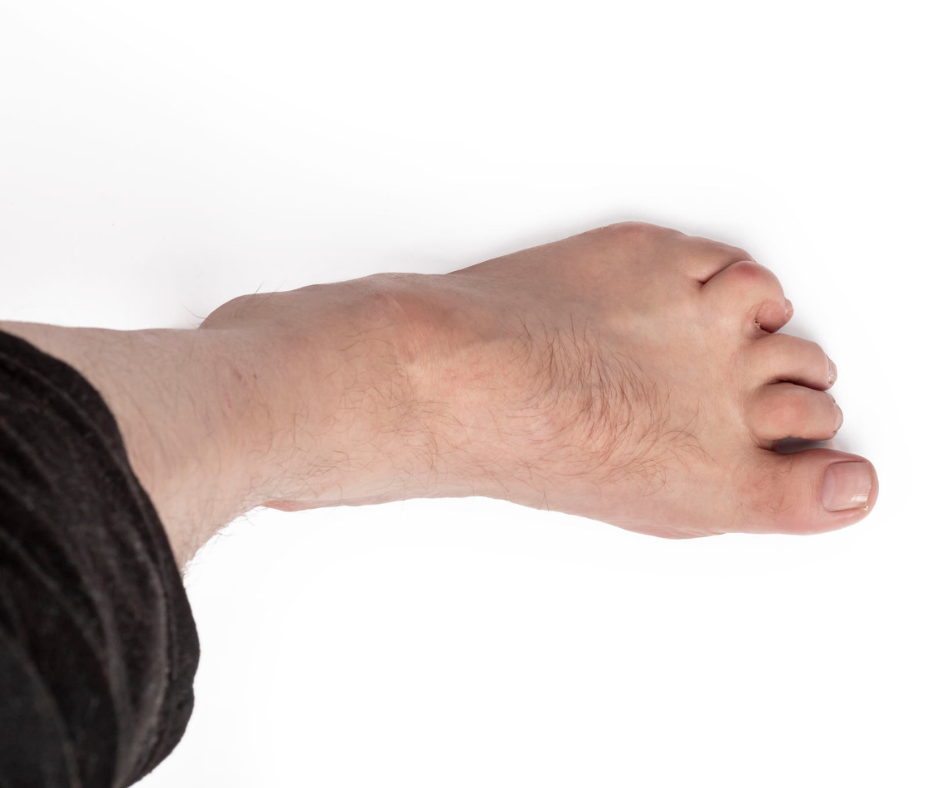
You look down at your feet and notice something concerning: your second, third, or fourth toe isn’t lying flat anymore. It’s starting to curl downward at the middle joint, resembling the head of a hammer.
At first, you might think it’s just a quirk or the result of a tight pair of shoes. But a Hammertoe is more than just a cosmetic issue; it is a progressive deformity caused by a muscle imbalance in your foot.
At Edmond Norman Foot & Ankle, we want you to know that hammertoes don’t fix themselves. In fact, ignoring them can turn a simple, flexible problem into a rigid, painful one. Here is what you need to know to keep your toes straight and pain-free.
What is Happening to My Toe?
A hammertoe occurs when the muscles and tendons that control your toe get out of sync.
- The Imbalance: The muscles that curl the toe down overpower the muscles that pull it up.
- The Result: The middle joint gets stuck in a bent position. Over time, this contracture puts immense pressure on the top of the toe (rubbing against your shoe) and the tip of the toe (driving it into the ground).
The “Flexible vs. Rigid” Clock
Time is your biggest enemy with hammertoes.
- Flexible Stage (Early): You can still straighten your toe with your fingers. The joint is still mobile. This is the golden window for conservative treatment.
- Rigid Stage (Late): The joint fuses in the bent position. You cannot straighten it, even with force. At this point, conservative options may only manage pain, and surgery becomes the primary option for correction.
Signs You Need Help
Beyond the visual curl, watch for these warning signs:
- Corns & Calluses: Hard, painful skin buildup on the top of the joint or the tip of the toe. This is your skin trying to protect itself from friction.
- Shoe Pain: Difficulty fitting into your normal size because the bent toe hits the top of the toe box.
- Ball of Foot Pain: As the toe curls, it pushes the metatarsal bone down, causing pain in the ball of the foot.
How We Treat It (Non-Surgical Options)
If you catch it early, we can often stop the progression without surgery.
- Custom Orthotics: Since hammertoes are often caused by unstable arches or biomechanics, a custom device can correct the muscle imbalance at the source.
- Shoe Modification: We recommend shoes with a high, wide toe box to relieve pressure.
- Padding & Strapping: Clinical padding can offload painful corns, while splinting can gently encourage the toe into alignment.
- Injection Therapy: Corticosteroids can reduce the inflammation and pain in the joint.
When Surgery is Necessary
If conservative care fails or the toe has become rigid, surgical correction is an option.
We can release the tight tendon or remove a small piece of bone to allow the toe to lie flat again, restoring your ability to walk comfortably.
Don’t Wait for “Rigid”
If your toes are curling, don’t wait until they are stuck that way. Early intervention is the key to simple treatment.
Bill Buksh, DPM, works alongside his expert medical staff at Edmond Norman Foot & Ankle to offer superior podiatric care to anyone in need. Pairing thorough, comprehensive remedies for common podiatric conditions with unique specialty treatments for nerve pain, he and his team would be delighted to treat your feet. Contact us to schedule your appointment today.